The FMCG industry is booming, and that’s exactly the problem. The more products, the more brands, the more noise. Shelf presence and running ads alone aren’t enough anymore. The brands that win aren’t just visible; they’re memorable. They’ve carved out a space in consumers’ minds that’s instantly recognisable, emotionally resonant, and uniquely theirs.
That’s what brand positioning is. If you’re an FMCG brand in Malaysia or anywhere in the world, it’s what determines whether a customer picks you or the product next to you.
In this guide, we’ll break down what brand positioning really means for FMCG brands, why it matters, and how to figure out the right positioning strategy for yours.
 Source: Freepik
What Is FMCG Brand Positioning?
FMCG (Fast-Moving Consumer Goods) brand positioning is the strategic process of defining how a brand is perceived in the minds of consumers relative to competitors. It shapes what people think and feel the moment they see your logo, pick up your product, or scroll past your ad. More than just messaging, it reflects what your brand consistently stands for.
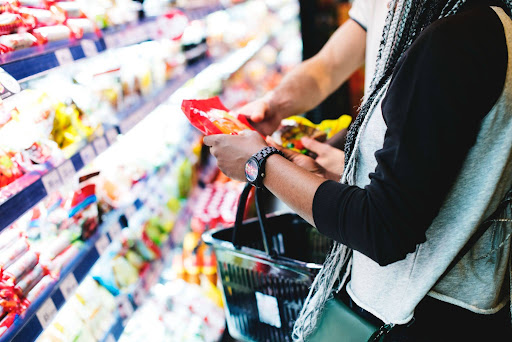
For FMCG brands, positioning is especially critical because purchase decisions happen fast. When a customer is scanning a supermarket shelf or a Shopee search results page, they’re not reading every label. They’re relying on mental shortcuts. Strong brand positioning ensures your product becomes that shortcut. It feels like the obvious choice, not just another option.
Why Is Brand Positioning Important for FMCG Brands?
Brand positioning for FMCG brands is so important because, in a category where products are similar and decisions are made in seconds, it becomes the difference between being noticed and being ignored. It helps a brand cut through shelf clutter, earn preference, and stay relevant beyond a single purchase.
Here’s why it plays such a critical role:
1. To Stand Out in an Overcrowded Market
FMCG shelves, physical and digital, are flooded with similar products making similar claims. Clear, ownable positioning is what cuts through the noise. Without it, you’re just another SKU.
2. To Drive Consumer Choice
Most FMCG purchases are made in seconds. Your brand has a very short window to communicate value. Strong positioning creates that mental shortcut: “This one is for me.”
3. To Build Brand Loyalty
Brand loyalty is hard to win and easy to lose in FMCG. When your positioning genuinely aligns with your audience’s values and needs, they don’t just buy once; they keep coming back. They become the kind of customers who actively look for you on the shelf.
4. To Compete Without a Massive Budget
Smaller or newer FMCG brands can’t always match the ad spend or prime shelf space of industry giants. But a well-defined positioning levels the playing field. You don’t need to outspend; you need to out-focus. Own a niche, tell a sharper story, and be different in a way that matters.
5. To Future-Proof Your Brand
Brands grow, expand, and evolve. Strong positioning gives you an anchor, something to hold onto as you launch new products, enter new markets, or go through a rebrand. It keeps your core brand essence intact even as everything else changes.
How to Determine Your FMCG Brand Positioning
Determining your FMCG brand positioning isn’t something you figure out overnight. It takes a mix of understanding your audience, reading the market, and being clear about where your brand fits in. Instead of relying on guesswork, the goal is to identify where you can realistically stand out and why people should choose you over everything else on the shelf.
To make things easier, here’s a simple framework you can follow to shape a brand position that’s clear, differentiated, and actually relevant:
1. Understand Your Target Audience
Everything starts here. Before you decide how to position your brand, you need to know exactly who you’re speaking to; not just their age or income bracket, but their real motivations.
- What problems are they trying to solve?
- What do they care about?
- What frustrates them?
Are you targeting:
- Health-conscious millennials hunting for low-sugar snacks?
- Busy parents who want convenient, nutritious options for their kids?
The more specific you are, the sharper your positioning will be.
Tools that help: consumer surveys, focus groups, and social listening to track what your audience is already talking about online.
 Source: Freepik
2. Analyse Your Competitors
Your brand doesn’t exist in a vacuum. It exists in a market full of other players trying to win over the same people. So before you define your positioning, take a close look at what’s already out there.
Start by analysing your competitors across key areas like:
- Packaging and visual identity
- Messaging and tone of voice
- Pricing and perceived value
- Social content and campaign angles
As you review them, break them down into their strengths and weaknesses. For example, some brands may have strong shelf presence but weak emotional storytelling, while others may have strong engagement but unclear product differentiation.
Ask yourself:
- What are they doing well, and why does it work?
- Where are they falling short or creating friction?
- What are they consistently not addressing or communicating?
Then connect these insights back to your own positioning. Their strengths show what already resonates in the market, while their weaknesses and gaps highlight opportunities for you to step in and differentiate. This is where you start identifying whitespace that your brand can realistically own.
Customer reviews can make this even clearer. Pay attention to how real consumers describe these brands, what they praise, what they criticise, and what they wish existed but don’t currently get.
If the market is flooded with value-based messaging, maybe there’s room for something more premium. If everyone’s shouting about health, maybe the gap is in taste and indulgence. Competitor analysis isn’t about copying; it’s about finding where you can genuinely do something different.
[Psst, while you’re at it, check out our blog on costly packaging mistakes killing FMCG brands. It ties in nicely here.]
3. Define Your Unique Selling Proposition (USP)
Your USP is the heart of your positioning. It’s what makes your product worth choosing over everything else on that shelf.
This could be a superior ingredient, a specific lifestyle your brand represents, an ethical sourcing story, or even a format innovation nobody else offers. Maybe your product is the only one in its category using 100% locally sourced ingredients. Maybe you’re the only brand offering refill packs. Whatever it is, it needs to be rooted in something real, and it needs to matter to your audience.
Being different for the sake of it doesn’t work. Being different in a way your customer actually cares about; that’s positioning.
4. Map Your Brand Positioning Statement
Once you’ve done the work above, bring it all together in a positioning statement. Think of this as your brand’s internal compass. It’s not a tagline or a headline, but a clear articulation of what you do, who you do it for, and how you’re different.
One common framework looks like this:
“For [target audience] who [need or problem], [brand name] is the [category] that [unique benefit], unlike [main alternative].”
For example, if you’re selling fruit-based kids’ snacks:
“For busy parents who want healthier snack options for their kids, [Brand Name] is the snack brand that offers naturally sweet, low-sugar treats made from real fruit, unlike other sugary alternatives on the market.”
You probably won’t publish this statement anywhere, but it becomes the foundation for everything else: your packaging copy, your ads, your social media voice, your campaign briefs.
5. Test Your Positioning with Real People
What sounds right internally might land completely differently with actual customers. Before you go all in, validate.
Run surveys or small focus groups. Do A/B tests on social ads with different messages and see which one resonates. Test packaging concepts or campaign lines in a limited market before rolling out nationally. Pay attention not just to what people say, but how they react. Are they excited? Confused? Indifferent? That feedback is gold.
It’s much cheaper to adjust earlier on than to course-correct after a full launch.
6. Align Positioning Across Every Touchpoint
Once you’ve finalised your positioning, it needs to show up everywhere, not just on your pack or your website, but in your logo, your ads, your social tone, your in-store display, your KOL briefs, everything.
Consistency builds trust. Think of how Kit Kat has consistently owned the “break” moment for decades, or how Dove has held onto real beauty as its core positioning across markets and years. No matter where you encounter them, the message feels cohesive.
Your visuals, voice, and brand personality should all reinforce the same idea. If your positioning is bold and energetic, that needs to come through in your design and your copy. If it’s calm and trustworthy, everything should feel that way too.
Here’s how we helped Snek Ku bring its brand positioning to life across every touchpoint, from social media content to packaging and physical brand assets.
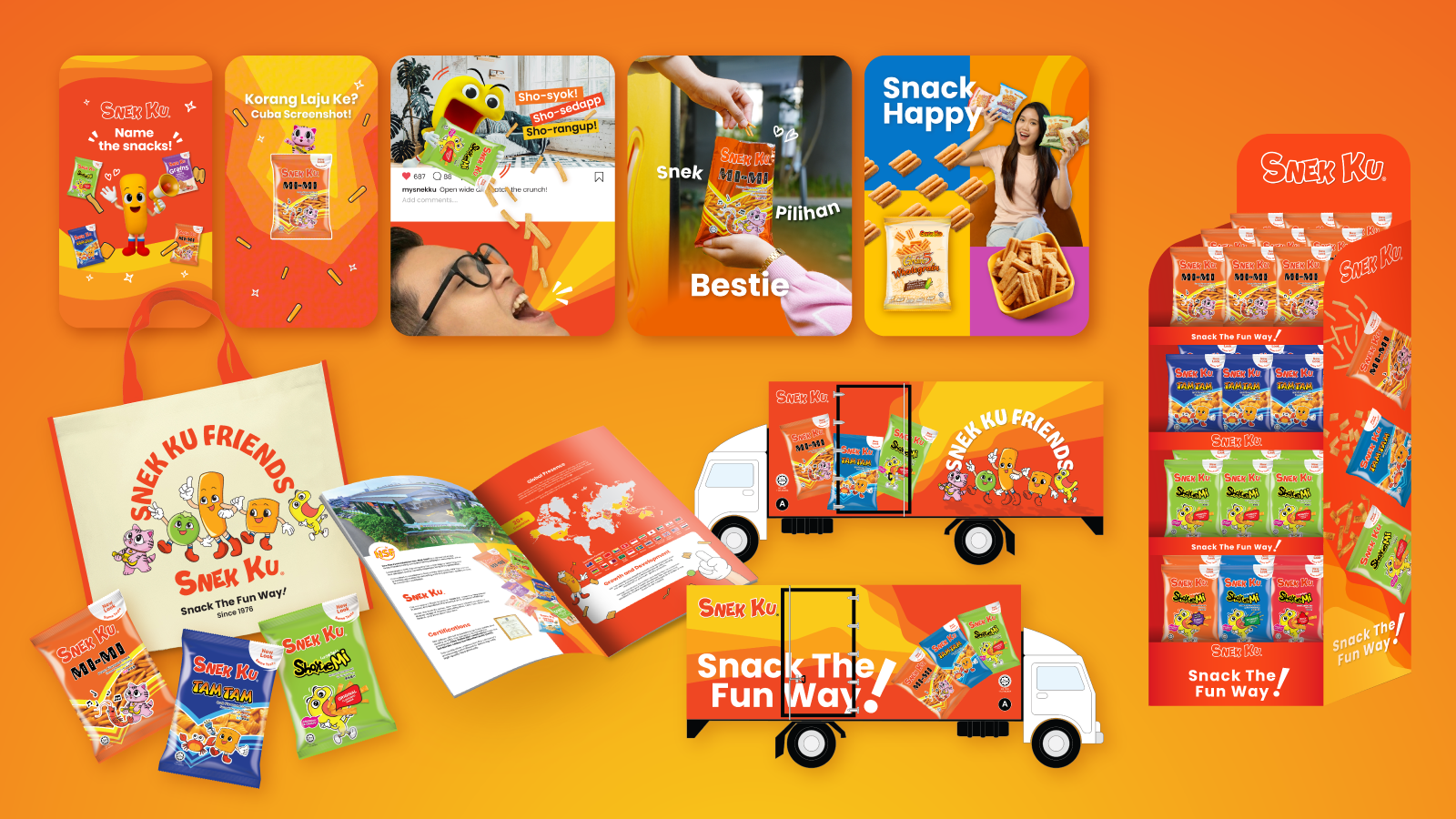 Snek Ku Brand Applications Across Touchpoints
7. Keep Monitoring and Evolving
Brand positioning isn’t a one-time exercise. Consumer preferences shift. New competitors enter the market. What felt fresh three years ago might feel dated today.
Keep a close eye on how your brand is being perceived through customer sentiment, sales data, and category trends. If there’s a growing gap between how you want to be seen and how you’re actually being seen, it’s time to revisit.
Evolving your positioning isn’t a failure. It’s a sign of a brand that’s paying attention.
Final Thoughts
Great FMCG brand positioning isn’t about being everything to everyone. It’s about being exactly the right brand for the right people and making sure they know it.
Do the work to understand your audience, study your competitors honestly, and identify what genuinely sets you apart. Then make sure that the difference shows up clearly in everything you put out. Positioning isn’t a campaign; it’s the foundation everything else is built on.
Need a fresh perspective on your FMCG brand positioning? Schedule a FREE 1-hour consultation with us now!